Emerging Tools Transforming Animation Production
Animation is no longer what it used to be. While traditional hand-drawn techniques still have their charm, 2025 has brought us into an era where artificial intelligence, real-time rendering, and cloud-based collaboration are completely reshaping how animated content gets made. From Hollywood studios to independent creators in their bedrooms, these emerging tools are democratizing animation production and making the impossible possible.


AI – The New Heavy Lifter
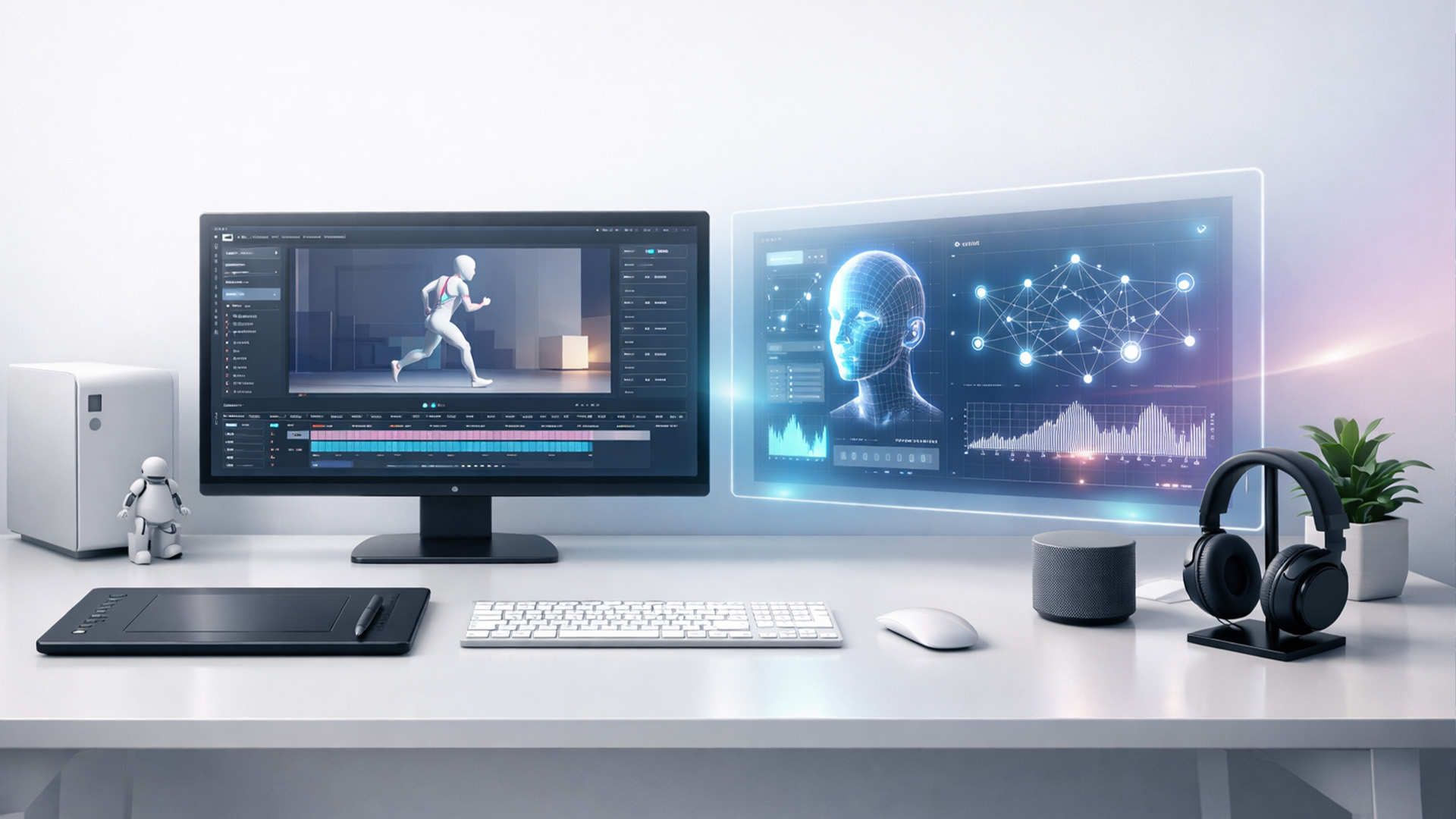
The biggest game-changer in animation today is artificial intelligence. It's not here to replace animators—it's their newest superpower. AI tools now handle the tedious, time-consuming tasks that used to eat up weeks of production time. Character rigging, motion capture, background generation, and even voiceover syncing can now be automated, freeing up artists to focus on the creative storytelling that truly puts the magic into animating.
Take automated in-betweening, for example. Traditionally, animators would manually create every frame between key poses—a process that could take forever. Now, AI algorithms generate these intermediate frames automatically, maintaining the character's movement style while cutting production time dramatically. Companies using AI have reported up to 30% reduction in production timelines.
Motion synthesis is another major breakthrough. AI can now analyse motion capture data and generate lifelike character movements with minimal input from animators. This means creating realistic walking, running, or dancing sequences no longer requires expensive motion capture sessions or weeks of hand-animation. The technology is so advanced that it can even predict natural movement patterns, making characters move more believably than ever before.
The impact of Real Time Rendering
Remember when animations would take all night to render a single frame? Those days are ancient history. Real-time rendering technology now allows creators see their work come to life instantly, enabling immediate feedback and creative iteration. This isn't just about convenience—it's fundamentally changing how animated content gets made.
Unreal Engine 5 has become a powerhouse for real-time cinematic animation, not just gaming. Animators can now work with photorealistic environments that update in real-time as they make changes. Directors can see exactly how a scene will look without waiting for lengthy render times, making creative decisions faster and more confidently.
The collaborative impact is just as huge. Teams can now work together in shared virtual environments, reviewing and adjusting animations in real-time rather than exchanging files and waiting for updates. This streamlined workflow is particularly valuable for international productions where team members are spread across different time zones.
Cloud-Based Tools – The Future of Collaboration
One of the most exciting developments is how cloud technology is making professional-grade animation accessible to everyone. You no longer need a $10,000 workstation to create Hollywood-quality animation. Cloud-based platforms provide access to powerful rendering capabilities and professional software through web browsers, meaning creators can work from anywhere with a decent internet connection.
This democratization is creating opportunities for animators in regions where expensive hardware was previously a barrier. Independent creators and small studios can now compete with larger productions by leveraging the same tools and computing power that major studios use. The result is more diverse voices and stories entering the animation landscape.
Version control and asset sharing have also been revolutionized. Multiple team members can work on the same project simultaneously without file conflicts, and changes are tracked automatically. Project managers can assign specific shots to animators through built-in task management systems, making complex productions more organized than ever.
The New Generation of Animation Software
While established tools like Maya and After Effects remain industry standards, they're being enhanced with AI capabilities that make them more powerful and user-friendly. Maya now includes AI-assisted rigging that automatically builds character bone structures, while After Effects integrates AI for tasks like background removal and smart keyframing.
New players are also entering the field. Tools like Cascadeur use AI to help animators create physics-accurate character poses, while platforms like Runway ML offer AI-driven video editing and animation generation capabilities. These tools are particularly appealing to content creators who need to produce animation quickly for social media and marketing purposes.
Even free and open-source options are benefiting from these advances. Blender has incorporated AI-powered features alongside its traditional tools, making professional-grade animation accessible to anyone willing to learn. OpenToonz, used by Studio Ghibli, offers a complete professional workflow at no cost, supported by an active community.
The Future is Collaborative
The most exciting part about these emerging tools isn't just their individual capabilities—it's how they work together to create entirely new workflows. AI handles routine tasks, real-time rendering provides instant feedback, and cloud platforms enable global collaboration. The result is animation production that's faster, more creative, and more accessible than ever before. The industry is projecting massive growth, with the generative AI animation market expected to reach $15.9 billion by 2030.
For aspiring animators, this transformation means both opportunity and challenge. The tools are more powerful and accessible, but the industry is also evolving rapidly. Success will come to those who embrace these new technologies while maintaining the storytelling skills and creative vision that make animation truly compelling.
The animation revolution is happening right now, and it's making the art form more exciting, accessible, and powerful than it has ever been.
Discussion
No comments yet. Be the first to share your thoughts!