

Cinema's future and Artificial Intelligence – Director’s cut
The movie industry is at a crossroads unlike any it has faced before. As artificial intelligence transforms everything from scriptwriting to post-production, Hollywood's most celebrated directors find themselves divided on a fundamental question: Will AI enhance filmmaking or destroy its very soul? This is an issue dividing the industry's creative leaders, who are charting dramatically different paths forward in this world of machine-assisted storytelling.


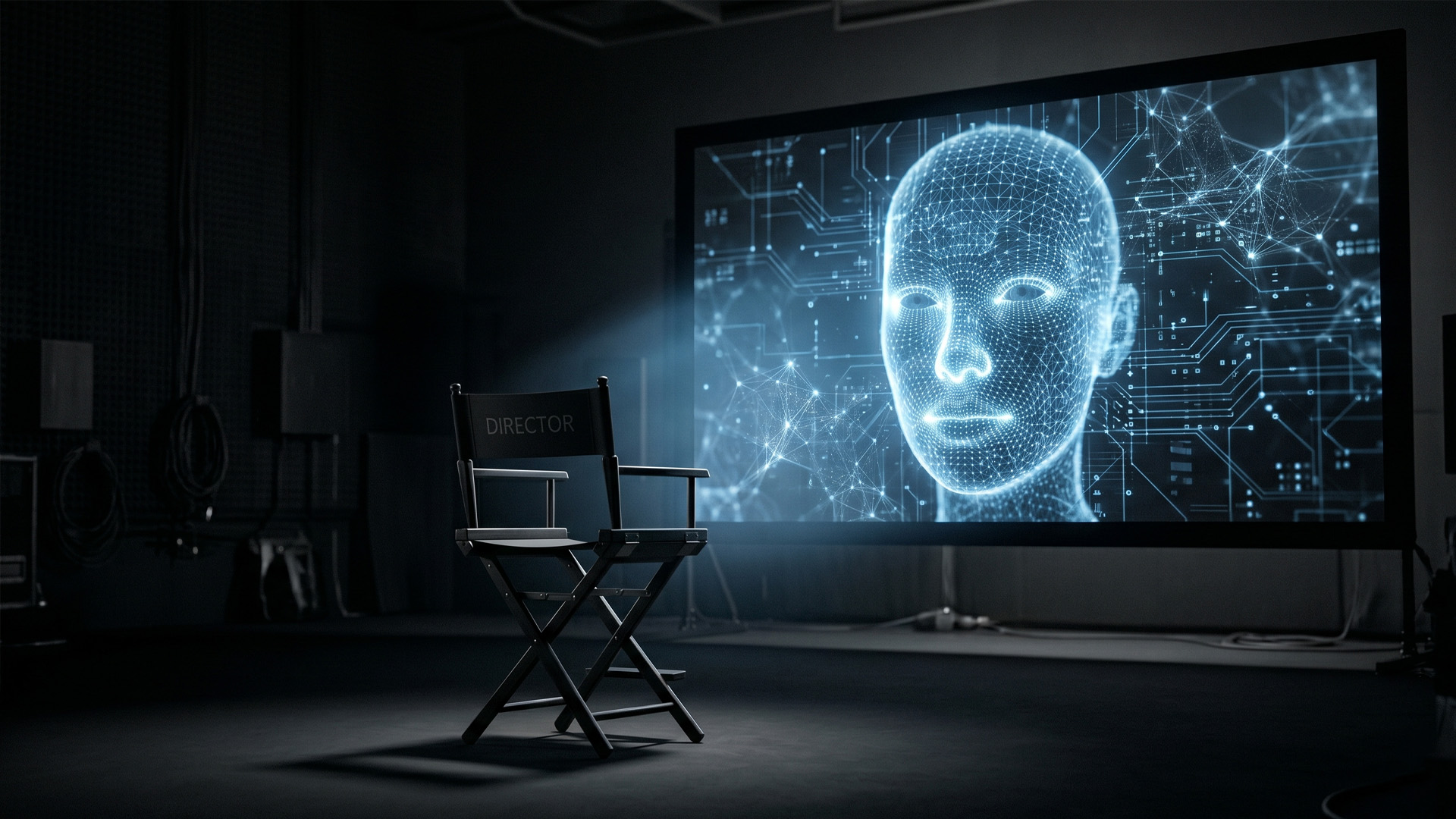
Guarding Cinema's Human Heart
Steven Spielberg has drawn perhaps the clearest line in the sand regarding AI's role in his creative process. "I don't want AI making any creative decisions that I can't make myself," the legendary director stated emphatically during a June 2025 ceremony at Universal Studios.
Spielberg's concerns stem from personal experience. During "Jurassic Park's" production in 1993, he witnessed how computer-generated imagery displaced traditional stop-motion artists like Phil Tippett, essentially making certain animation careers "extinct". This sensitivity to job displacement colors his current stance: "I'm very sensitive to things that AI may do to take work away from people."
Quentin Tarantino shares similar reservations, though his concerns focus more on artistic authenticity. Known for his preference for traditional filmmaking techniques, Tarantino worries that AI could eliminate the "imperfections, intuition, and spontaneity that human writing brings". For a director whose signature style relies heavily on unexpected dialogue turns and nonlinear storytelling, the prospect of algorithm-generated scripts represents the death of what makes his work human.
It’s ironic that Spielberg, who created "A.I. Artificial Intelligence" in 2001, now stands as one of AI's most prominent skeptics in practical filmmaking applications. His movie explored themes of artificial consciousness and human connection that feel eerily prophetic today, yet he maintains strict boundaries about letting machines into his creative process.
Discussion
No comments yet. Be the first to share your thoughts!